

Inquiry
1MWh BESS for C&I Energy Storage: Applications, Design and Customization Guide
A 1MWh BESS is a practical energy storage option for commercial and industrial projects that need flexible energy management, renewable energy utilization, backup support, or grid capacity optimization.
For energy storage brands, system solution providers, and companies developing private-label C&I ESS products, a 1MWh battery energy storage system is not just a large battery. Its final configuration should match the project application, power demand, installation environment, safety requirements, and long-term expansion plan.
This guide explains what a 1MWh BESS is, where it is commonly used, which design factors matter, and why customization is important for C&I energy storage projects.
What Is a 1MWh BESS?
A 1MWh BESS refers to a battery energy storage system with approximately 1,000kWh of energy capacity. BESS stands for Battery Energy Storage System, which means it is a complete system designed to store, manage, convert, and deliver electrical energy.
A typical 1MWh battery energy storage system may include battery cells, battery modules, battery racks or clusters, BMS, PCS, EMS, thermal management, fire protection, system enclosure, and communication interfaces.
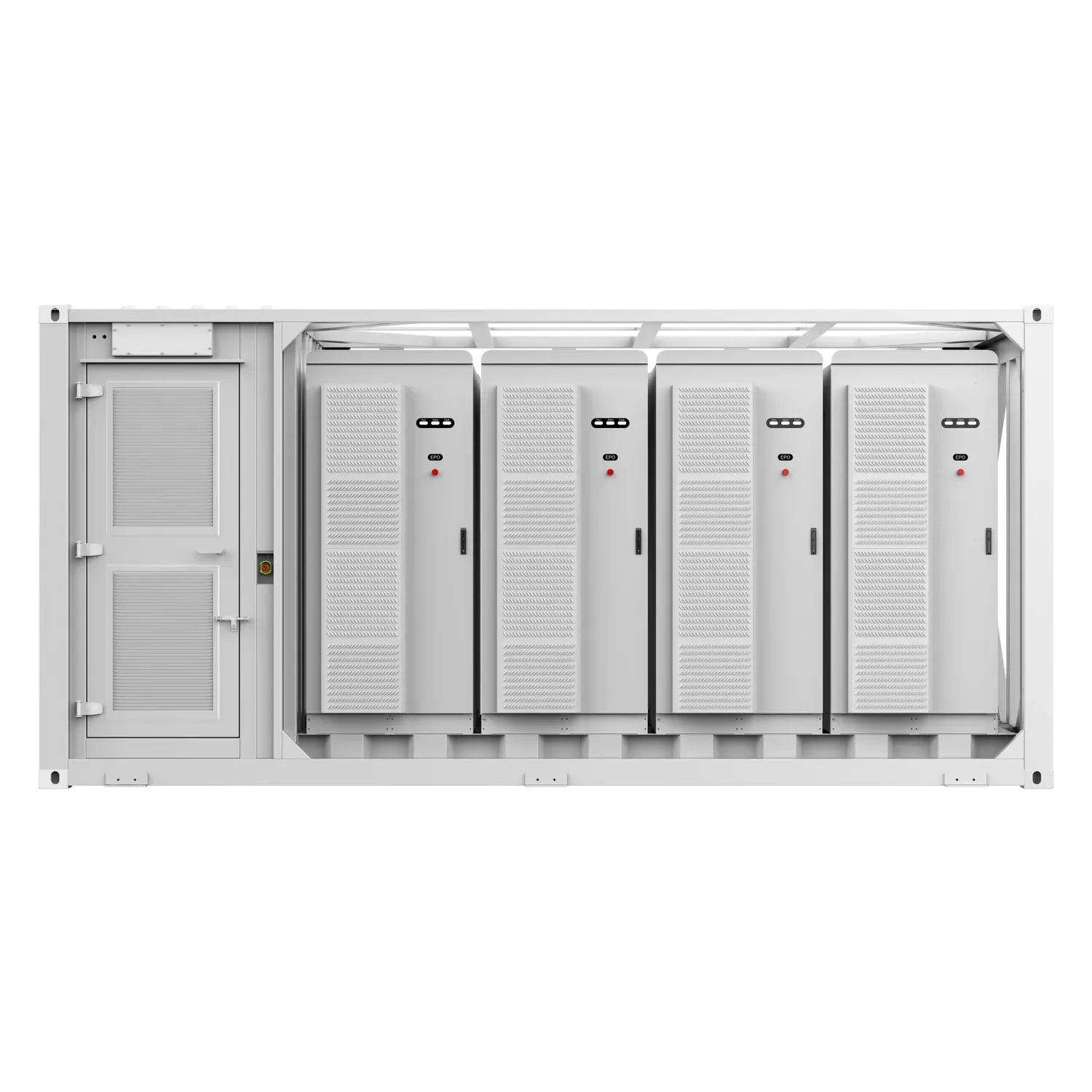
Depending on project requirements, a 1MWh BESS can be developed as a cabinet-type system, a containerized system, or a modular outdoor energy storage solution.
Common Applications of 1MWh BESS in C&I Energy Storage
A 1MWh BESS is commonly used in medium to large commercial and industrial sites where smaller battery systems may not provide enough capacity for daily energy management, renewable energy use, or backup support.
Commercial Buildings and Industrial Parks
Commercial buildings, office complexes, shopping centers, and industrial parks often have large electricity demand from HVAC systems, lighting, elevators, shared facilities, and tenant operations. A 1MWh BESS can support daily energy management and improve the use of on-site renewable energy.
Manufacturing Facilities
Manufacturing facilities often use production lines, motors, compressors, and other high-power equipment. A 1MWh battery energy storage system can support factories that need energy buffering, short-duration power support, or better coordination between on-site generation and facility consumption.
Solar + Storage Projects
For C&I sites with medium to large solar PV systems, a 1MWh BESS can store excess solar generation and release it when demand is higher or solar output is lower. This makes it suitable for solar-plus-storage projects that need better PV self-consumption and more flexible renewable energy use.
EV Charging Stations
Commercial EV charging stations, fleet charging sites, and logistics charging depots can create high power demand when multiple chargers operate at the same time. A 1MWh BESS can provide a storage buffer for charging loads and support coordination between grid power, solar PV, and charging demand.
Microgrids and Remote Sites
A 1MWh BESS can also be used in microgrids, remote industrial sites, islands, mines, weak-grid areas, and off-grid C&I facilities. In these scenarios, the battery energy storage system helps balance power supply and demand when combined with solar PV, diesel generators, or the utility grid.
Typical Configuration of a 1MWh BESS
A 1MWh BESS is usually configured as a complete energy storage system. While the final design may vary by project, most systems include battery modules, battery racks or clusters, BMS, PCS, EMS, thermal management, fire safety protection, enclosure, and communication interfaces.
| System Part | Main Function |
|---|---|
| Battery cells and modules | Store energy and determine capacity, cycle life, safety, and cost |
| BMS | Monitors battery status and provides protection |
| PCS | Converts AC/DC power and controls charge/discharge power |
| EMS | Manages energy strategy and system operation |
| Thermal management | Controls battery temperature and improves stability |
| Fire safety system | Supports risk detection and emergency protection |
| Enclosure | Protects the system and adapts it to the installation environment |
| Communication interfaces | Support integration with PCS, EMS, PV, EV charging, or site control systems |
Key Design Factors for a 1MWh BESS
The performance of a 1MWh BESS depends on more than energy capacity. Project developers and energy storage brands should also consider power rating, discharge duration, system structure, cooling method, battery cell selection, installation environment, compliance requirements, and future expansion plans.
Power Rating and Discharge Duration
MWh or kWh refers to how much energy the battery system can store, while MW or kW refers to how much power the system can charge or discharge at a given time.
A 1MWh BESS does not always mean a 1MW battery system. A 1MW/1MWh system is usually designed for about one hour of discharge at rated power. A 500kW/1MWh system can usually support about two hours of discharge, while a 250kW/1MWh system can support about four hours of discharge under ideal rated conditions.
| Configuration | Approx. Discharge Duration | Suitable Applications |
|---|---|---|
| 1MW/1MWh | About 1 hour | High-power peak shaving, EV charging support |
| 500kW/1MWh | About 2 hours | C&I peak shaving, solar shifting, backup |
| 250kW/1MWh | About 4 hours | Longer-duration energy shifting, microgrid support |
Cabinet-Type vs Containerized Design
A 1MWh BESS can be designed as a cabinet-type system, containerized system, or modular outdoor energy storage platform.
Cabinet-type BESS solutions are often suitable for flexible deployment, multi-cabinet expansion, and distributed C&I sites. Containerized BESS solutions are usually more integrated and centralized, making them suitable for larger C&I projects, microgrids, and solar-plus-storage systems.
| Factor | Cabinet-Type BESS | Containerized BESS |
|---|---|---|
| Deployment | Flexible and modular | Centralized and integrated |
| Expansion | Multi-cabinet parallel design | Container-level expansion |
| Maintenance | Easier module-level access | Centralized maintenance |
| Suitable projects | Small to medium C&I sites | Larger C&I, microgrid, solar + storage projects |
Read more: Cabinet ESS vs Containerized ESS
Other Technical Considerations
Cooling method, battery cell selection, installation environment, and compliance requirements also affect the final system design.
Air cooling may be suitable for some moderate-duty C&I projects, while liquid cooling is often preferred for high-energy-density systems, frequent cycling applications, high-temperature environments, or projects with stricter long-term performance requirements.
LFP cells are commonly used in C&I BESS projects because of their safety profile, cycle life, and thermal stability. Cell capacity, system layout, thermal management, certification readiness, and supply chain stability should also be evaluated during project planning.
For outdoor or international projects, factors such as high temperature, humidity, dust, rain exposure, salt mist, altitude, enclosure protection, local grid codes, fire safety rules, and standards such as UL9540, UL9540A, IEC 62619, and IEC 62933 may need to be considered.
Why Customization Matters for 1MWh BESS Projects
A 1MWh BESS is not used in the same way across every commercial and industrial project. Even with the same 1MWh energy capacity, the final system design may differ because of application goals, load conditions, grid requirements, installation environments, safety rules, and target market expectations.
Customization may involve the voltage platform, PCS power rating, AC-coupled or DC-coupled architecture, cabinet-type or containerized structure, BMS communication protocol, EMS operating strategy, thermal management method, fire safety configuration, outdoor enclosure design, branding, documentation, certification preparation, and future expansion design.
For energy storage brands and project-based companies, customization helps turn a generic system into a more suitable private-label C&I energy storage platform that fits real project needs and market positioning.
How ACE Battery Supports Customized 1MWh C&I BESS Development
ACE Battery supports customized C&I battery energy storage system development for energy storage brands, system solution providers, and companies developing private-label ESS products.
Based on project requirements, ACE can assist with battery cell selection, battery module and pack design, voltage platform configuration, cabinet or containerized structure design, BMS communication adaptation, PCS and EMS integration support, thermal management and safety design, enclosure customization, private-label branding, and documentation or certification preparation support.
By aligning battery system design with real project needs and private-label product strategy, ACE helps customers develop a practical and scalable 1MWh C&I energy storage solution.
Need a Customized 1MWh BESS for Your C&I Energy Storage Project?
ACE Battery helps energy storage brands and private-label ESS companies develop customized C&I battery energy storage systems based on project applications, voltage platforms, BMS communication, safety requirements, enclosure design, and target-market needs.
Conclusion
A 1MWh BESS can support many C&I energy storage applications, including commercial energy management, solar-plus-storage, EV charging support, industrial backup, and microgrid operation.
However, the right system design depends on more than battery capacity. Power rating, discharge duration, system structure, cooling method, safety design, installation environment, certification requirements, and expansion strategy all affect the final configuration.
For companies developing customized or private-label C&I energy storage products, working with an experienced ODM battery partner can help turn project requirements into a practical, safe, and scalable 1MWh BESS system.
Our expert will reach you out if you have any questions!