

Inquiry
Cabinet ESS vs Containerized ESS: Custom Battery System Design for C&I Projects
For commercial and industrial energy storage projects, the choice between a cabinet ESS and a containerized ESS is more than a product format decision. It can affect installation cost, land use, system scalability, thermal management, fire safety, maintenance access, and long-term project reliability.
A cabinet ESS is often a practical choice for small and medium-sized C&I applications that require compact installation, flexible deployment, and faster delivery. A containerized ESS is usually better suited for larger industrial sites, microgrids, renewable energy projects, and utility-related applications that require higher capacity and more centralized system integration.
However, for OEM and ODM energy storage projects, the enclosure is only the visible part of the system. The real engineering value lies in battery cell selection, pack layout, BMS architecture, voltage platform, PCS compatibility, safety design, and maintenance strategy. By understanding these factors, you can make a more informed decision and customize a C&I battery system that better fits your project scale, installation environment, target market, and long-term operating requirements.
What Is a Cabinet ESS?
A cabinet ESS is a commercial and industrial energy storage system installed inside an independent battery cabinet or outdoor enclosure. It is usually designed for small and medium-sized C&I applications where compact installation, flexible deployment, and modular expansion are important.
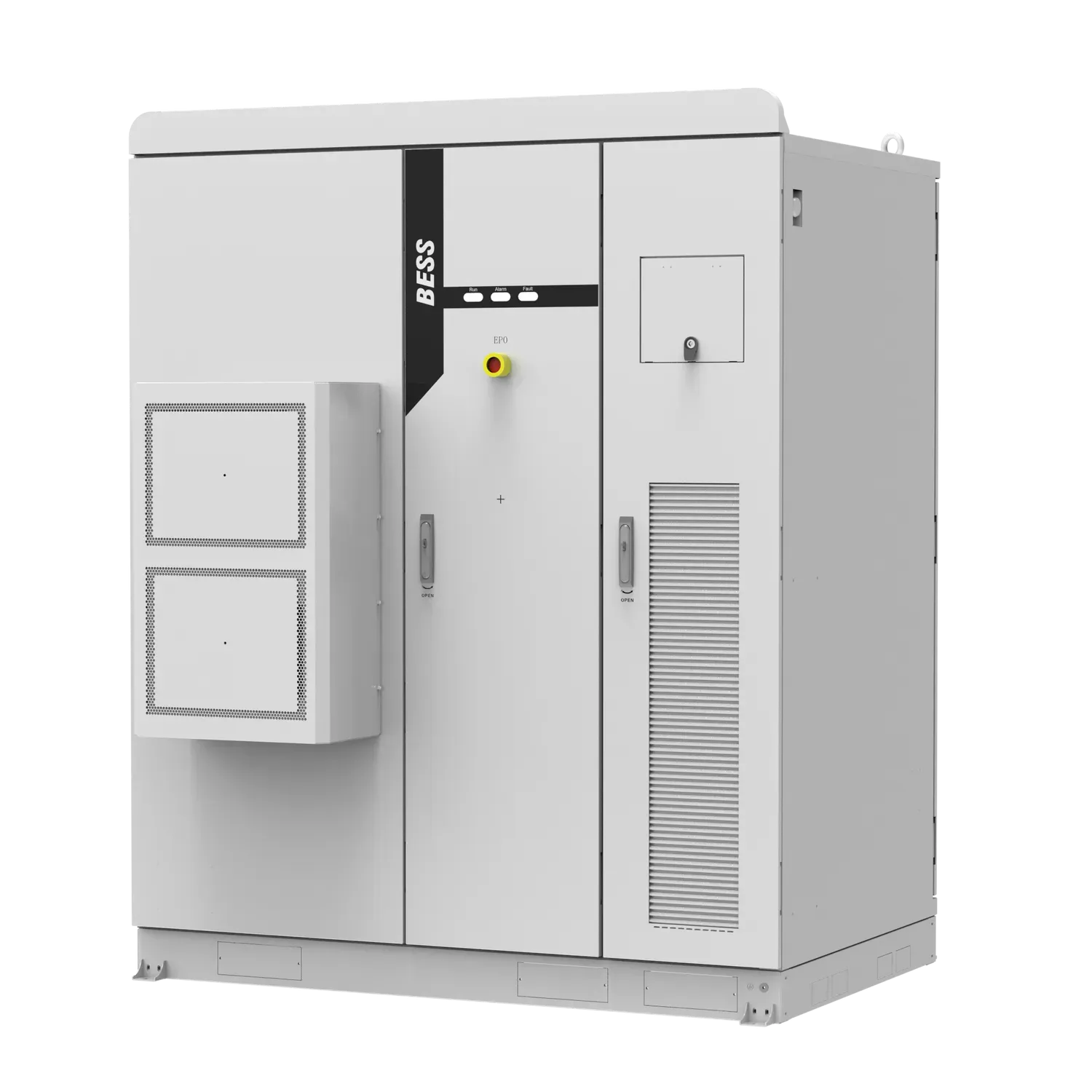
A typical cabinet energy storage system may include battery modules, a battery management system (BMS), thermal management, fire protection, electrical protection units, and communication interfaces. Depending on the design, some cabinet ESS solutions may also integrate the PCS, EMS, or other control components into the same enclosure.
For C&I projects that do not require very large centralized energy storage capacity, a cabinet ESS can provide a practical balance between system performance, installation flexibility, and project delivery efficiency.
What Is a Containerized ESS?
A containerized ESS is a commercial and industrial energy storage system integrated inside a standard 20-foot, 40-foot, or customized container. Compared with cabinet ESS solutions, it is usually designed for larger C&I projects that require higher capacity, centralized control, and stronger system integration.
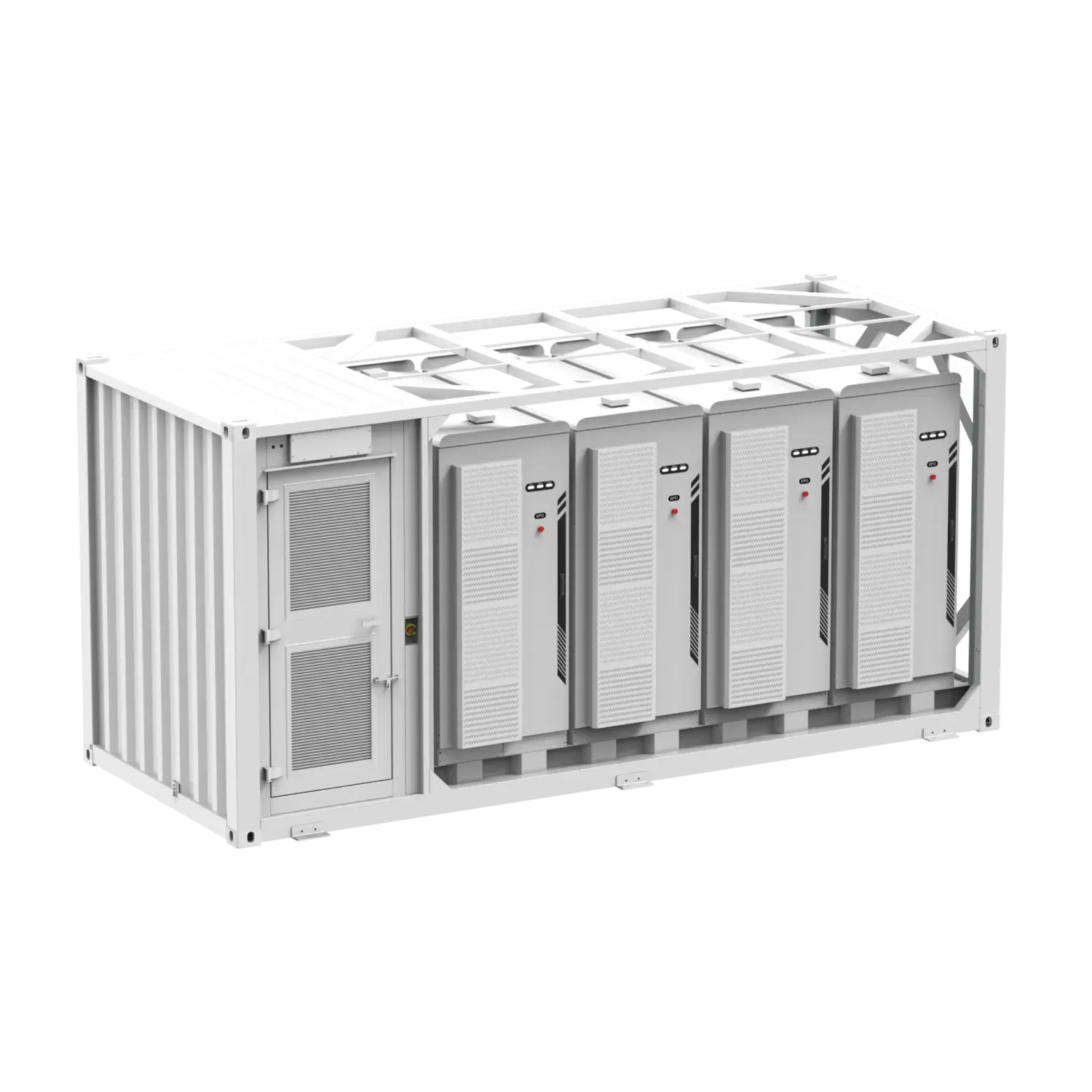
A typical containerized ESS may integrate battery racks, BMS, thermal management, fire suppression, power distribution units, PCS, EMS, monitoring systems, and safety protection devices within one containerized platform. Container size is also an important part of system planning, as 20-foot, 40-foot, and customized BESS containers can lead to different capacity ranges, installation requirements, transportation conditions, and expansion strategies.
A containerized ESS should not be understood as simply a larger battery cabinet. It is a more complex energy storage platform that requires careful design of battery configuration, thermal airflow, fire safety, electrical layout, maintenance access, transportation, and on-site installation conditions.
Cabinet ESS vs Containerized ESS: Key Differences
Cabinet ESS and containerized ESS solutions can both be used in C&I energy storage projects, but they are designed for different project scales, site conditions, and integration requirements.
Factor | Cabinet ESS | Containerized ESS |
Typical Project Size | Small to medium C&I projects | Medium to large C&I or utility-scale projects |
Installation Space | Compact and flexible layout | Requires larger outdoor space |
Scalability | Modular cabinet expansion | Higher-capacity centralized expansion |
Deployment Speed | Usually faster for smaller projects | Requires more site planning and preparation |
Transportation | Easier to transport and place | Requires container transport, lifting, and site access planning |
Maintenance | Cabinet-level access | Centralized system-level maintenance |
Thermal Management | Cabinet-level cooling design | Container-level HVAC and airflow design |
Fire Safety | Cabinet-level fire protection | Integrated container-level fire suppression |
Best Suited For | Commercial buildings, small factories, charging stations, and distributed solar-plus-storage projects | Industrial parks, microgrids, renewable energy projects, large charging stations, and grid-support applications |
In short, cabinet ESS is better for compact and flexible deployment, while containerized ESS is better for centralized, higher-capacity projects.
When Should You Choose a Cabinet ESS?
You may choose a cabinet ESS when your project requires a compact, flexible, and modular energy storage solution. It is especially suitable when the required capacity is moderate, installation space is limited, and fast deployment is important.
A cabinet ESS is often a practical choice for commercial buildings, small factories, EV charging stations, parking areas, campus facilities, and distributed solar-plus-storage projects. In these scenarios, the system may need to be installed close to buildings, electrical rooms, PV equipment, or charging infrastructure, where a large containerized system may not be practical.
Cabinet ESS solutions can also support phased expansion. Project owners can start with a smaller configuration and add more cabinets later as load demand, solar generation, or backup power requirements increase.
When Should You Choose a Containerized ESS?
You may choose a containerized ESS when your project requires higher energy capacity, centralized system control, and more comprehensive site-level energy management.
This solution is more suitable for large factories, industrial parks, microgrids, renewable energy plants, large EV charging stations, grid peak shaving, off-grid power supply, and weak-grid applications. These projects usually require a centralized platform that can coordinate the battery system, PCS, EMS, thermal management, fire safety, and site loads.
Containerized ESS solutions are also suitable for scalable or repeatable deployment. For example, an energy solution provider may use a containerized platform as a standardized architecture that can be adapted for different sites, capacity requirements, and grid conditions.
Not sure whether your project needs a cabinet ESS or a containerized ESS?
Share your C&I energy storage requirements with ACE Battery, and our team can help evaluate a custom C&I battery system with ODM support for the right cabinet or containerized configuration.
Discuss Your C&I ESS ProjectWhy Battery Pack Design Matters More Than the Enclosure
When comparing cabinet ESS and containerized ESS solutions, it is easy to focus on the external form. However, the enclosure is only the visible part of the system. What truly affects system performance, safety, service life, and project adaptability is the battery system design inside.
For ODM projects, the real engineering value lies in how the battery cells, modules, packs, BMS, thermal structure, and electrical architecture are designed to match the target application. This is why the decision should not stop at cabinet versus container. The internal battery system must also support the required capacity, power demand, installation environment, safety strategy, and future expansion plan.
Key Customization Factors for C&I Battery Systems
Capacity and Voltage Platform
Different C&I projects require different capacity and voltage configurations. A cabinet ESS usually focuses on modular expansion and efficient use of limited installation space, while a containerized ESS usually supports larger capacity and centralized operation. The voltage platform, battery string design, and parallel configuration should be planned according to the project’s load profile, PCS requirements, discharge duration, and future scalability.
Battery Cell and Pack Configuration
Battery cell selection and pack configuration directly affect cycle life, safety, energy density, charge and discharge performance, and long-term reliability. For custom C&I battery systems, pack design should consider cell consistency, structural layout, electrical connections, thermal paths, safety margins, and maintenance access.
BMS and Communication Compatibility
A C&I energy storage system usually needs to communicate with PCS, EMS, inverters, monitoring platforms, and sometimes third-party energy management systems. Therefore, the BMS should support battery protection, data monitoring, fault diagnosis, SOC management, alarm logic, and communication protocol adaptation.
Thermal Management and Safety Design
Thermal management requirements differ between cabinet ESS and containerized ESS solutions. Cabinet systems usually require cabinet-level cooling design, while containerized systems need airflow planning, HVAC configuration, and temperature balancing across a larger system space. Safety design should also consider fire protection, electrical isolation, short-circuit protection, over-temperature protection, and safe maintenance access.
Installation Environment and Market Requirements
Site conditions such as temperature, humidity, dust, rain, altitude, corrosion risk, available space, transportation access, and maintenance clearance can all affect system design. For private-label brands and ODM customers, customization may also include product appearance, nameplate design, documentation, certification preparation, installation manuals, and market-specific technical requirements.
How ACE Battery Supports Custom C&I ESS Projects
ACE Battery supports customized battery system development for commercial and industrial energy storage applications. Based on project requirements, ACE can assist with battery cell selection, pack design, voltage platform configuration, BMS communication, structural design, safety optimization, system integration, and private-label customization.
For cabinet ESS projects, ACE can support compact and modular battery pack platforms for flexible C&I deployment. For containerized ESS projects, ACE can support larger-scale battery system configuration with attention to thermal management, fire safety, maintainability, and system-level integration.
With ODM support from ACE Battery, you can develop a custom C&I battery system that better fits your project scale, installation environment, target market, and brand requirements.
Conclusion
Cabinet ESS solutions are often better suited for flexible, distributed, small to medium-sized C&I projects. Containerized ESS solutions are more suitable for larger-capacity, centralized, and engineering-intensive projects.
However, the right choice is not determined by the enclosure alone. Battery cell selection, pack design, BMS communication, voltage platform, thermal management, safety strategy, PCS/EMS compatibility, and future scalability all affect final system performance.
Share your project requirements with ACE Battery to explore a custom C&I battery system design for the right cabinet or containerized ESS configuration.
Our expert will reach you out if you have any questions!